
Back-to-School Safety Tips for Families
As families prepare for the return to school, calendars begin filling with earlier mornings, lunches, activities, and new routines. Along with gathering supplies and organizing schedules, it is worthwhile to review the everyday safety habits that help protect children throughout the school year.
School-day safety reaches well beyond the classroom. The trip to and from school, time spent with friends, after-school activities, and independent time at home all create situations where preparation can make a difference.
A few timely conversations about safety can help children feel ready to handle daily situations with confidence while giving parents greater peace of mind.
Safe Habits Before the School Day Starts
A safe school day starts with a safe commute. Whether a child walks, rides a bicycle, takes the bus, or travels by car, families can review the habits that support safer travel each morning.
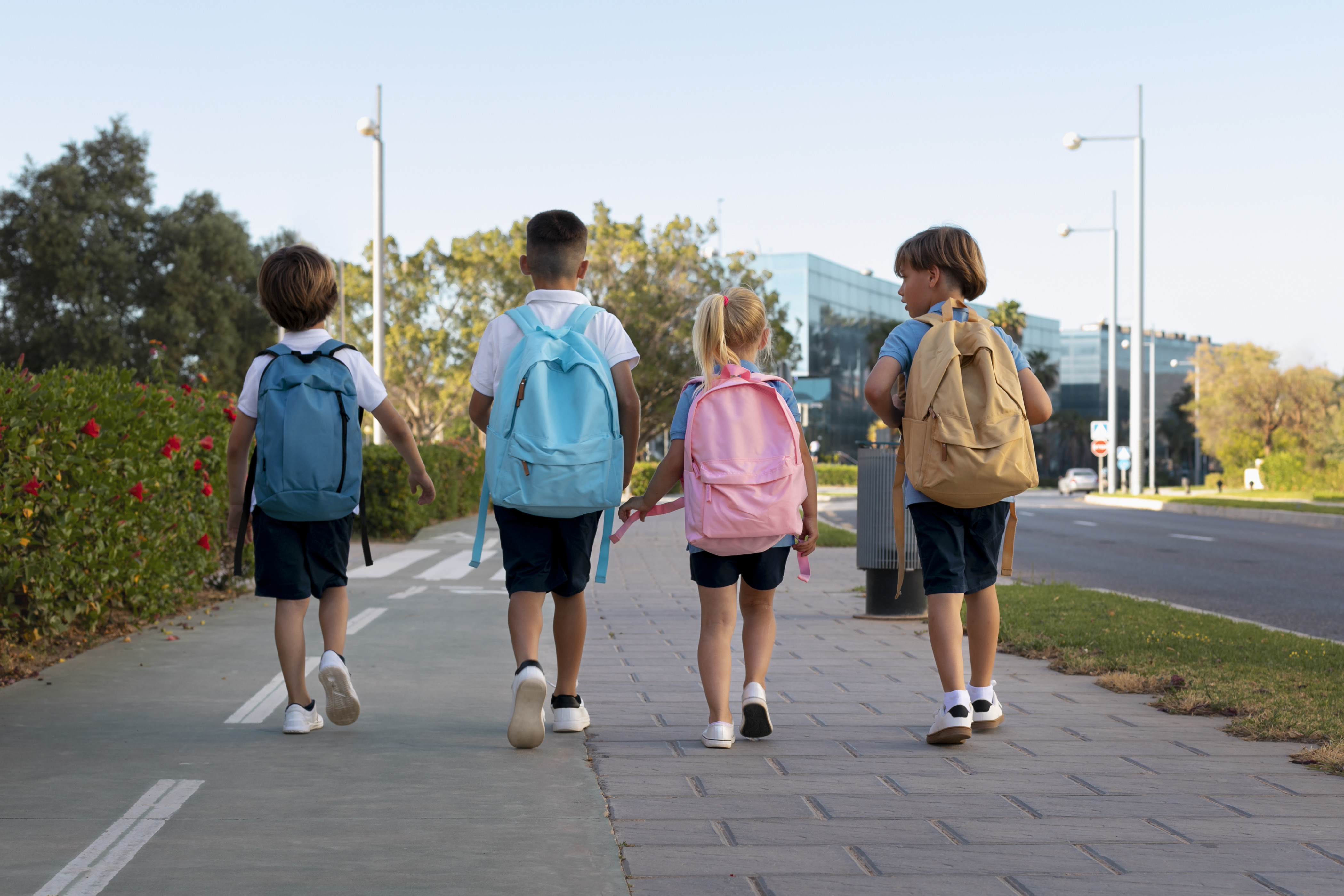
Children walking to school should use sidewalks whenever they are available and cross streets only at intersections or marked crosswalks. Looking in both directions is essential before entering the roadway. It is also helpful to encourage children to make eye contact with drivers before crossing, rather than assuming a driver has seen them.
Walking with a sibling or friend can provide another layer of support. The buddy system can help students remain attentive to their surroundings and avoid traveling alone when possible.
For students who bike to school, a properly fitted helmet is an important part of every ride. Children should ride on the right side of the road, moving in the same direction as traffic, and come to a complete stop before crossing a street. Selecting a route with less traffic and fewer intersections may also make the commute feel safer and easier to manage.
Bus safety deserves attention before the first day as well. Students should wait at least six feet away from the curb and only approach once the bus has fully stopped. They should avoid crossing directly in front of or behind a bus unless they have made eye contact with the driver and know it is safe to proceed.
Parents who drive children to school play an equally important role in keeping school zones safe. Following the school’s drop-off procedures, reducing speed in designated zones, and never passing a bus that is loading or unloading children are essential daily practices.
Teen drivers may benefit from a separate refresher before school begins. A conversation about wearing seatbelts, obeying speed limits, limiting distractions, and driving responsibly around passengers can reinforce safer choices behind the wheel.
Building Safe and Healthy School-Day Routines
After children arrive at school, everyday routines continue to influence their safety and well-being. Teaching practical habits before challenges arise can help students know what to do when they need support.
Emergency readiness is one of the most valuable lessons families can reinforce. Children should know their full name, home address, and the phone number of a parent or guardian. Some families keep a small laminated card in a backpack with emergency contacts and key medical details so important information is available if needed.
Healthy habits are also important in busy school settings. Because students spend the day around many classmates, illnesses can spread easily. Proper handwashing and avoiding the sharing of food or drinks are simple ways to help reduce the spread of germs in classrooms, cafeterias, and shared spaces.
Backpack safety is another issue that can be easy to miss. Carrying too much weight can strain a child’s shoulders and back over time. A backpack should generally weigh no more than 15% of a child’s body weight, and students should use both shoulder straps to distribute the load more evenly.
Families should also keep conversations about bullying open and ongoing. Children need to understand what bullying can look like, how they can report it, and which trusted adults they can speak with if they feel uncomfortable or unsafe. Knowing help is available at school can make it easier for a child to speak up.
Even personal-item labels require some thought. Rather than placing a child’s full first name on the outside of a backpack, lunch box, or jacket, consider using initials or putting identifying labels inside the item to provide more privacy.
Staying Safe After School
Safety planning does not end when the dismissal bell rings. Afternoons may include transportation changes, extracurricular activities, time with caregivers, or periods when children arrive home before a parent or guardian.
A dependable check-in plan can be especially helpful for children who walk home or spend time at home independently. They can call or send a message once they have arrived safely. Some families also choose to use family locator apps or backpack GPS trackers for added reassurance during the afternoon commute.
If a child will be home alone, establish expectations in advance. Review rules about locking doors, answering phone calls, allowing visitors inside, and responding when someone unexpected comes to the door. Clear guidance helps children understand how to respond without feeling uncertain.
Online safety should remain part of the family conversation throughout the school year. Remind children not to share personal details online, including their home address, school name, or typical daily schedule. Keeping communication open can help children feel comfortable discussing online interactions that feel suspicious, confusing, or uncomfortable.
It is also important to review emergency plans at home. Children should know where to go during severe weather, where the family will meet outside in the event of a fire, and whom they can contact when a parent or guardian cannot be reached. Practicing these plans can help children react more calmly if an emergency occurs.
The return to school brings fresh opportunities, changing schedules, and plenty of excitement. By reviewing safety practices for the morning commute, the school day, and after-school hours, families can feel more prepared for the routines ahead. If you have questions about family protection, personal insurance, or safety planning, the team at Advantage Insurance LLC is here to help.